Coconut Milk vs. Cream: Crafting Your Ideal Piña Colada Drink
There are few sips as synonymous with tropical paradise as the Piña Colada. This iconic Puerto Rican cocktail, declared the national drink in 1978, instantly transports you to sun-drenched beaches with its vibrant blend of pineapple and coconut. Its very name, meaning "strained pineapple" in Spanish, hints at the fresh, bright flavors at its core. While the classic Piña Colada recipe traditionally calls for just four simple ingredients – pineapple juice, white rum, cream of coconut, and ice – the world of homemade Piña Coladas offers a delightful array of variations. From choosing fresh pineapple over juice to experimenting with different rum types, perfecting your personal ideal Piña Colada is an enjoyable journey. However, one ingredient often sparks the most debate and confusion among enthusiasts: the coconut component. Is it coconut milk, coconut cream, or the famed cream of coconut that truly delivers that elusive, perfectly balanced tropical bliss?
The Heart of the Piña Colada: Understanding Your Core Ingredients
Before diving deep into the coconut debate, let's briefly revisit the fundamental elements that make a Piña Colada sing. Understanding these will help you appreciate how each component contributes to the overall flavor and texture of your ultimate Piña Colada recipe.
Pineapple: Fresh vs. Juice
The pineapple component is crucial for that distinct tropical tang. You essentially have two routes to choose from, each with its own merits:
- Store-Bought Pineapple Juice: This is the path of convenience. Using good quality, unsweetened pineapple juice makes for an easier, quicker preparation, allowing you to enjoy your drink almost instantly. It delivers a consistent pineapple flavor and ensures a smoother blend.
- Fresh Pineapple Chunks: For those seeking a more intense, natural pineapple flavor and a thicker, almost smoothie-like consistency, fresh pineapple is the way to go. To achieve the best results, you'll need to peel, chop, and then freeze the pineapple chunks beforehand. This not only enhances the pineapple's natural sweetness but also contributes significantly to the drink's frosty texture without diluting the flavor. Aim for about 3-4 ounces (90-110g) of frozen 1-inch chunks per serving. A crucial tip: always opt for fresh pineapple over canned pineapple, as canned varieties are often packed in syrup and can make your Piña Colada overly sweet.
Rum: The Spirit of the Tropics
While often playing a supporting role to the vibrant fruit and coconut, the rum in your Piña Colada is indispensable. The classic Piña Colada recipe typically calls for white rum (also known as light or silver rum). Its clean, subtle profile allows the pineapple and coconut to shine without overpowering them. However, don't be afraid to experiment:
- A Dark Rum Float: A splash of dark rum artfully drizzled over the top of your finished drink can add a beautiful amber swirl, a hint of caramel, and a touch of extra complexity.
- Malibu (Coconut-Flavored Rum): For those who crave an extra layer of coconut decadence, or prefer a lower ABV option, Malibu is a popular choice. It's essentially a coconut-flavored liqueur rather than a traditional rum, offering a sweeter, more pronounced coconut note.
- Aged or Spiced Rum: While less traditional, a small amount of aged or spiced rum can introduce intriguing depth, vanilla, and spice notes, transforming the classic into a more complex sipper.
Deciphering the Coconut Conundrum: Milk, Cream, or Cream of Coconut?
This is where many aspiring Piña Colada mixologists find themselves at a crossroads. The terms "coconut milk," "coconut cream," and "cream of coconut" are often used interchangeably, leading to confusion and, potentially, an unbalanced drink. Understanding their differences is key to crafting your ideal Piña Colada.
Coconut Milk
When we talk about coconut milk for a pina colada recipe, we're generally referring to canned, full-fat coconut milk. This natural product is made from the grated flesh of mature coconuts blended with water. If left undisturbed, it naturally separates into two distinct layers:
- Coconut Cream: The thick, fatty layer that rises to the top.
- Coconut Water/Liquid: The thinner, more translucent liquid at the bottom.
For a Piña Colada, it's essential to stir these two parts together thoroughly or shake the can vigorously before opening. Using full-fat coconut milk (never light or low-fat) will impart a distinct, authentic coconut flavor without being overly sweet. It results in a drink that is typically thinner and more refreshing than those made with cream of coconut, offering a lovely balance that lets both pineapple and coconut flavors shine equally.
Coconut Cream
As mentioned, coconut cream is essentially the concentrated, thick, fatty part of full-fat coconut milk. It can be purchased separately in cans, distinct from cream of coconut. It contains a higher fat content and less water than coconut milk, giving it a very rich, almost indulgent texture. While it can contribute to an incredibly creamy Piña Colada, some find it too heavy or "fatty" for a refreshing drink. If your goal is an ultra-thick, exceptionally rich texture, you might experiment with a small amount, but for a classic, balanced Piña Colada recipe, it's often not the first recommendation.
Cream of Coconut
This is the ingredient often specified in traditional and many commercial Piña Colada recipes, and it's fundamentally different from plain coconut milk or coconut cream. Cream of coconut is a sweetened coconut cream, often containing emulsifiers and stabilizers to maintain its smooth, syrupy consistency. Popular brands include Coco López and Goya. Its key characteristics are:
- Sweetness: It's significantly sweeter than natural coconut milk or cream, contributing a substantial sugary note to the drink.
- Thickness: Its syrupy texture lends itself to a very thick, luscious, and creamy Piña Colada.
- Emulsification: The added stabilizers help create a wonderfully smooth, uniform texture, preventing separation and adding to the drink's iconic mouthfeel.
The original Piña Colada recipe famously called for cream of coconut, and for good reason. It delivers that distinctly sweet, rich, and creamy profile that many associate with the archetypal tropical resort drink. However, for those who prefer a less sugary, more refreshing beverage, the sweetness can be overpowering. This is where the choice between cream of coconut and full-fat coconut milk becomes a matter of personal preference.
Making Your Choice: Which Coconut for Your Piña Colada Recipe?
Ultimately, the "best" coconut ingredient for your Piña Colada depends on your desired outcome:
- For a Refreshing, Less Sweet Drink with Distinct Coconut Flavor: Opt for full-fat canned coconut milk. It provides the authentic coconut essence without the added sugars, allowing the natural sweetness of the pineapple and rum to shine. It will result in a slightly thinner, but wonderfully balanced and refreshing Piña Colada recipe.
- For a Sweet, Ultra-Creamy, and Indulgent Experience: Choose cream of coconut. This is the traditional route, delivering that quintessential sweet, thick, and luxurious texture many crave in a Piña Colada. Be mindful of its inherent sweetness when adjusting other ingredients.
- For Extreme Richness (Use Sparingly): If you want to experiment with extreme creaminess, a small amount of pure coconut cream (the unsweetened kind) can be added, perhaps in combination with coconut milk to achieve a custom texture, but it's generally not recommended as the sole coconut component for a classic balance.
Crafting Your Perfect Piña Colada: Beyond the Basics
Once you've settled on your coconut component, here are a few extra tips to elevate your pina colada recipe to perfection:
- The Ice Factor: Ice is not just for chilling; it's a key ingredient for texture. Use plenty of ice and blend until smooth and slushy, without any icy chunks. If using frozen pineapple, you might need slightly less ice.
- Sweetness Adjustment: If you're using unsweetened coconut milk and pineapple juice, you might want to add a touch of simple syrup (1:1 sugar and water, heated until dissolved) or agave nectar to taste. Start with a small amount and add more as needed. Remember, the goal is balance, not cloying sweetness.
- The Perfect Blend: A powerful blender is your best friend. Blend on high until completely smooth and creamy. Over-blending can sometimes make the drink too watery, while under-blending leaves ice chunks.
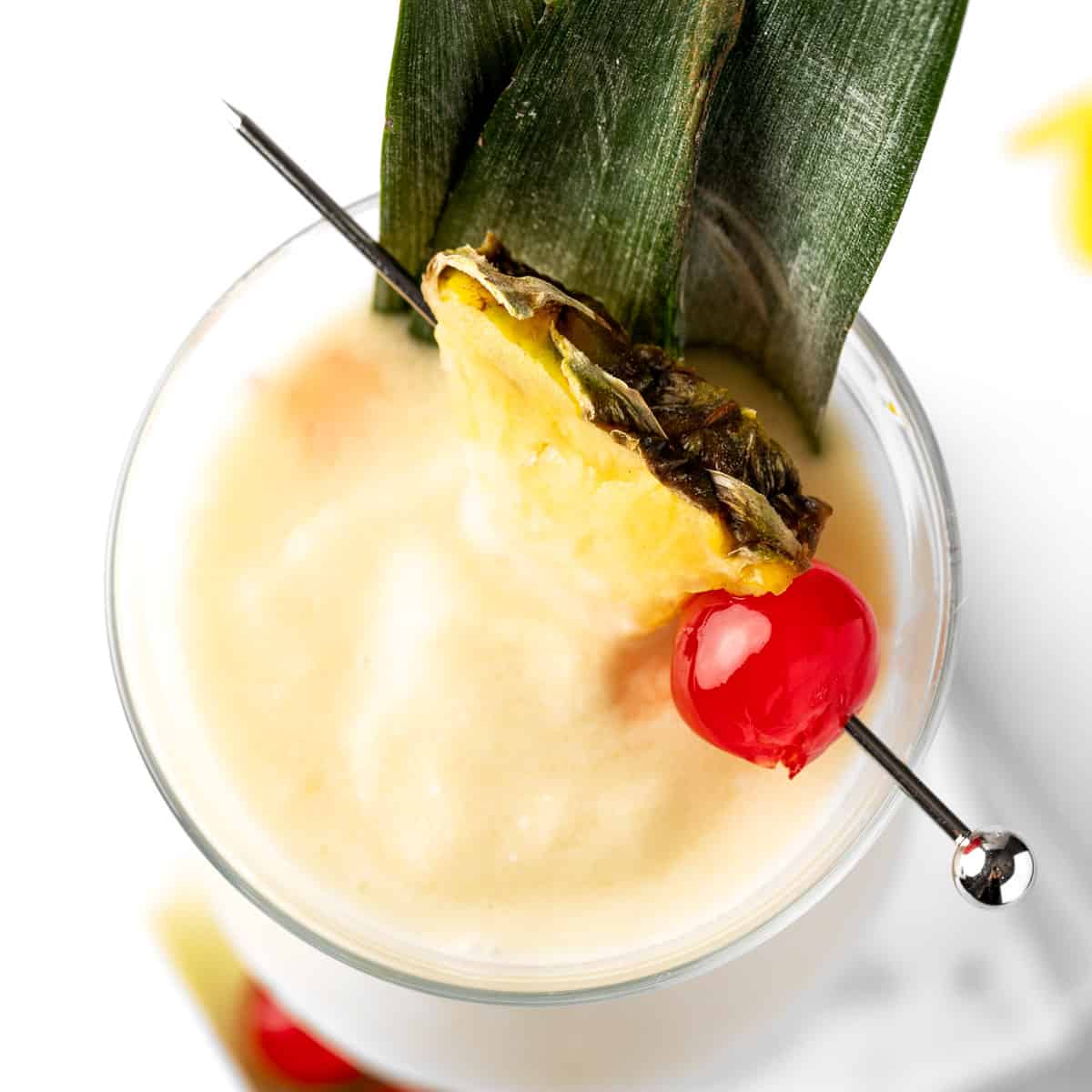
- Garnish with Flair: A classic Piña Colada demands a festive presentation. A fresh pineapple wedge, a maraschino cherry, and even a tiny paper umbrella add to the tropical experience.
- Virgin Variations: Easily make a delightful virgin Piña Colada by simply omitting the rum. It's a fantastic, family-friendly tropical treat.
- Experiment with Fruit: While classic for a reason, don't shy away from adding other frozen fruits like mango or banana for a personalized twist on your Piña Colada recipe.
The journey to your perfect Piña Colada is a delicious adventure of taste and texture. While the original Piña Colada recipe certainly has its merits, understanding the nuanced differences between coconut milk, coconut cream, and cream of coconut empowers you to tailor the drink precisely to your palate. Whether you prefer a refreshing, subtly sweet concoction or a rich, indulgent treat, the choice of your coconut component will be the defining factor. So, gather your ingredients, fire up the blender, and prepare to immerse yourself in the blissful, sun-kissed world of your very own ideal Piña Colada.
